Is Solar A Good Investment?
Last edited
Author
Andrew Blok
Electrification and Solar Writer and Editor
Editor
Ryan Barnett
SVP, Policy & New Market Development
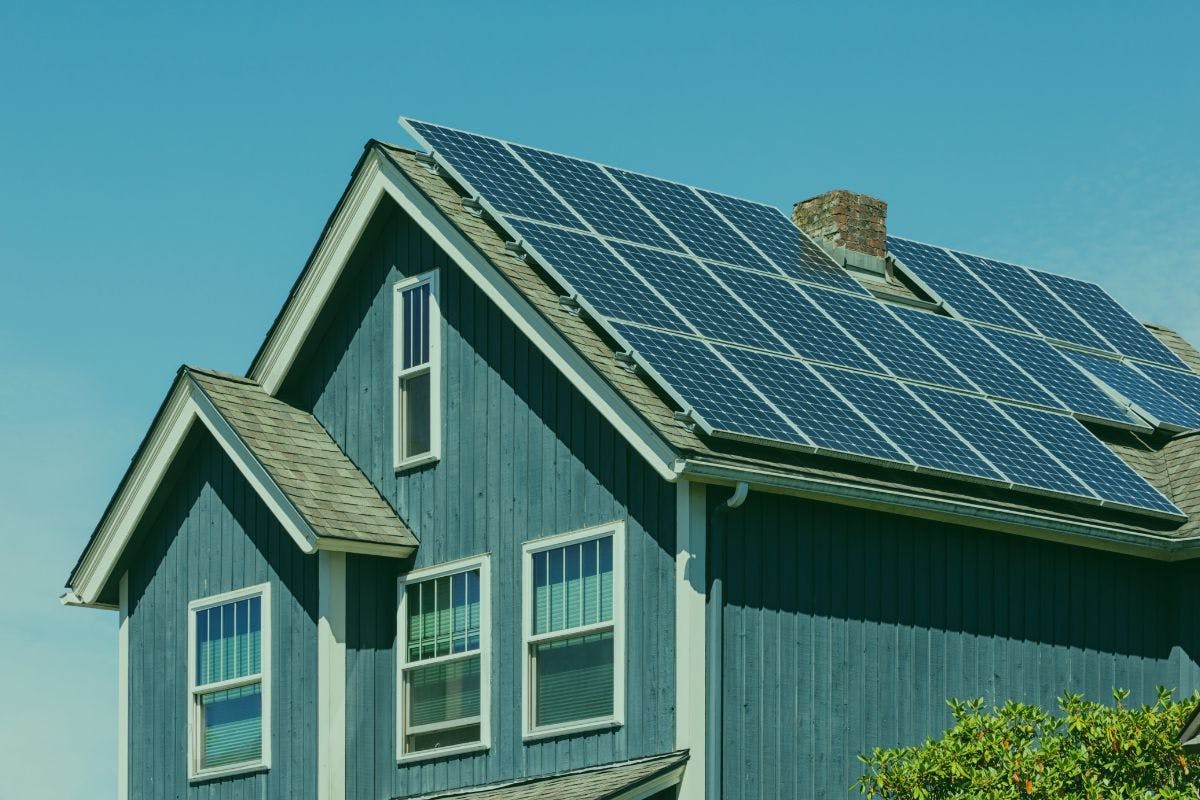
Is installing solar panels a good investment for your home? Many homeowners are making the switch because home solar can offer major benefits, including saving money, embracing renewable energy, achieving greater energy independence, and (sometimes) boosting your property’s value.
Home solar panels can deliver these benefits, but not always. Here’s how to start thinking about whether solar panels make sense for you.
See how much you can save by going solar with Palmetto
Reasons to go solar
There are plenty of reasons to go solar. Here are 9 of them.
1. Save on utilities
Offset rising utility costs by producing your own power. Solar panels are increasingly efficient, affordable, and reliable. That can deliver electricity bill savings.
2. Advance energy independence
When you get solar panels, you get greater protection from rising utility electricity rates and (with a backup battery) grid unreliability. Greater energy independence from your utility means you get to use energy on your terms.
3. Increase your home value
Your home is a big investment, and one you want to maintain and increase the value of. Homes powered by purchased solar panels have been shown to earn more, sell faster, and attract more attention on the national real estate market.
4. Avoid peak rates
Many utilities are shifting to time-of-use rates, where electricity is more expensive during the hours of the day when electricity demand is highest. Peak hours vary by utility, but when they overlap with daylight hours, solar can help you avoid the most expensive grid electricity. With a solar battery, you could use stored solar electricity to avoid peak hours outside of daylight hours.
5. Maintain power during outages
The home plays an increasingly dynamic role in the modern household. Maybe it’s your office, your design studio, your favorite restaurant, your personal entertainment center, or the epicenter of your child’s education.
All of this means that power outages can be very inconvenient. Solar energy storage solutions have made it possible to reduce the disruptions by allowing you to tap into stored energy whenever the grid goes down.
6. Produce the energy you need
A solar system should be tailored to the energy needs of your household. Perhaps you get married, have kids, begin working from home, or expand the house. When it becomes clear you need more energy, it’s possible to add panels or battery storage to ensure your solar system is always in step with the energy needs of your household.
7. Share your values
Solar panels on your roof are an advertisement for solar’s benefits, and a convincing one. Research shows that when one household in a neighborhood adopts solar, it increases the likelihood that others will too. In Australia, research found that this effect accounted for 18% of new installations.
See how much you can save by going solar with Palmetto
8. Stay cool
A study conducted by the University of California found the installation of solar panels on your roof can lower its temperature by as much as five degrees Fahrenheit, reducing the burden on your AC.
Even better news: The inverse is true as well. In colder months, the panels function to hold heat in. This means solar panels improve year-round efficiency and savings.
9. Support your local economy
Rooftop solar panels are installed by local crews The solar energy industry employed more than 280,000 workers in 2024.
Why solar power can be a good investment
Adding your own solar panels to your own roof is an investment that can not only pay off immediately by reducing your electricity bill, but also in the future as the value of an owned system gets added to your home’s overall value.
Purchased solar panels can achieve payback: when the amount you save exceeds the amount you paid for the panels. When you lease solar panels, you could save from your first bill.
Buying a home with solar panels vs. installing solar panels yourself
There’s a huge difference between buying a home that already has solar panels and buying a home and then installing solar panels. Homes already equipped with purchased solar panels have been shown to sell faster and for more, but it’s important to assess the health of any existing solar panel system before you buy.
If you’re considering a home with an existing solar array, be sure to ask about warranties, lease payments, maintenance records, the roof age and condition, and the average energy produced. In some cases, it may be preferable to buy a home without solar panels and then have them installed yourself.
Adding solar to your home can help you save money by offsetting your monthly utilities and providing insurance against rising and fluctuating energy costs.
If you’d like to learn more about going solar, you can start with a free solar savings estimate.
See what solar can do for you:
Frequently asked questions
How much do home solar panel systems cost?
The cost of a residential solar power system varies a great deal depending on many factors, some of which are specific to your property. Shading, the layout and dimensions of your roof, solar panel system size, your energy usage, your budget, and whether or not you include battery storage are important factors.
Do solar panels require maintenance?
Solar panels and systems typically require very little maintenance. It’s best to understand what warranties your solar panel system has and have professionals take care of recommended maintenance.
How long do solar panels last?
Solar panels generally last for 25 or more years. Solar warranties generally are 25-years long.


