Energy-efficient appliances: Are they worth it?
Last edited
Author
Andrew Blok
Electrification and Solar Writer and Editor
Editor
Andrew Giermak
Solar and Electrification Writer and Editor
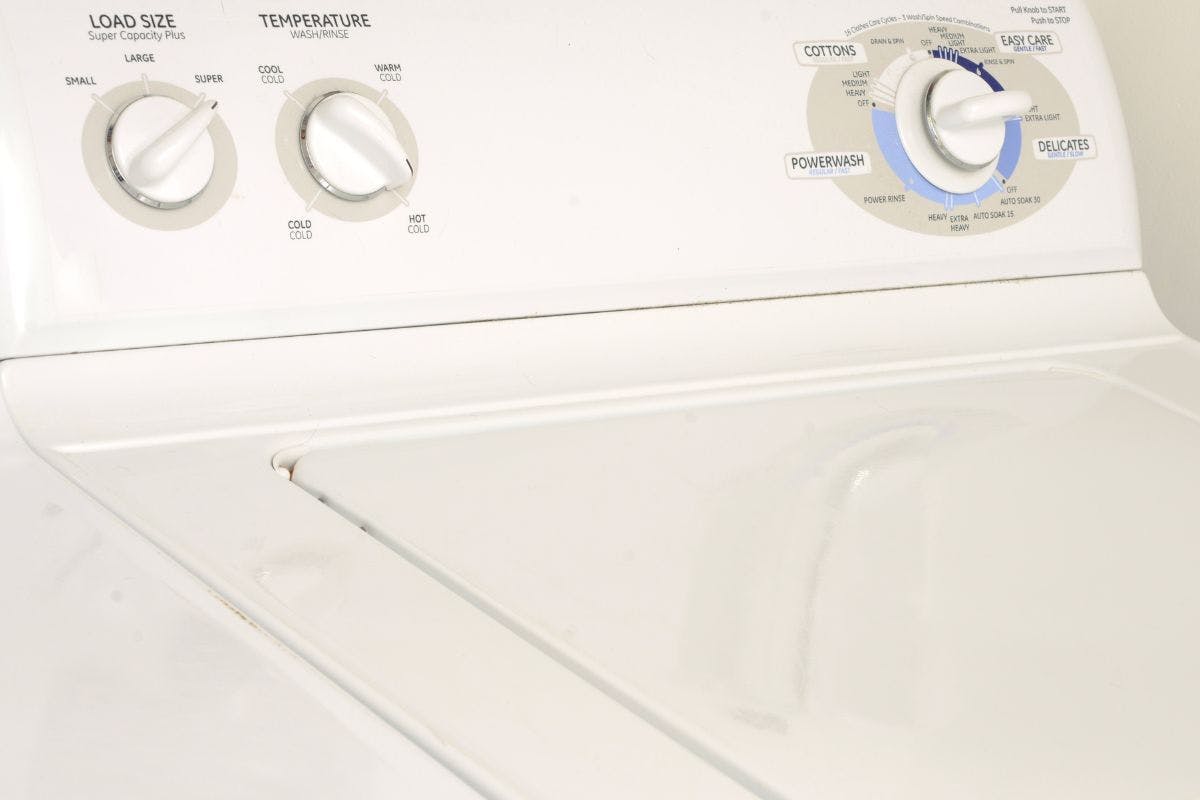
IIf you’ve seen your electric bills climb recently, you're not alone. The good news is that you have options to bring those costs down.
While small daily changes (like turning off extra lights or tweaking your thermostat) help, upgrading to energy-efficient appliances offers a hassle-free way to save automatically.
How much can you actually save with Energy Star appliances? What rebates are available? Here’s how to practically maximize efficiency across your home.
See how much you can save with home energy changes
What are Energy Star appliances?
The quickest way to find an energy-efficient appliance is to find the Energy Star logo: the sky blue square with a white star is on the most efficient choices wherever you shop for appliances. Energy Star is a program run by the US Environmental Protection Agency.
Energy Star ensures appliances meet certain energy efficiency standards for their category. Those standards vary by the type of product (it doesn’t make sense to judge a heat pump and a clothes dryer by the same metrics) and are updated over time.
How much money do Energy Star appliances save?
EPA says since the program’s start in 1992, Energy Star appliances have avoided 5 trillion kilowatt hours of energy consumption, good for $500 billion in avoided energy costs.
While the amount you can save will vary by the model and appliance you’re buying, how you use it, and the model you’re replacing, you’ll likely spend less on energy. That’s true even if you’re replacing an old Energy Star appliance with a new one, since standards improve over time.
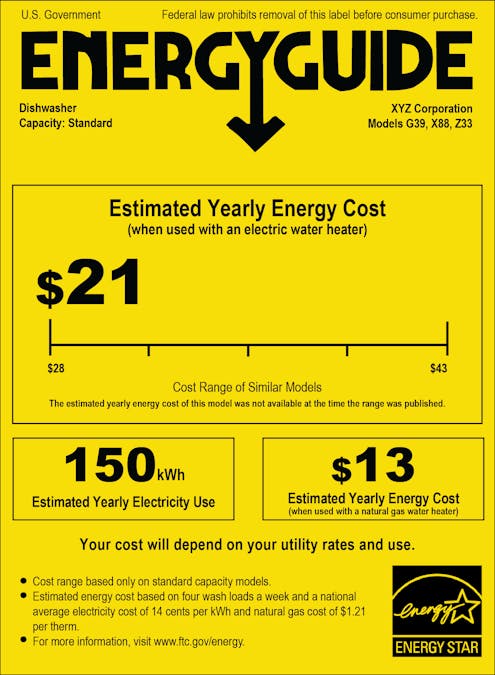
The EnergyGuide label shows how much it’ll cost to run an appliance based on estimated usage and energy costs. EnergyGuide labels are on boilers, ceiling fans, central air conditioners, clothes washers, dishwashers, freezers, heat pumps, refrigerators, televisions, water heaters, and more. That bright yellow label tells you how much energy the appliance is likely to use in a year and what that will cost. Your actual cost will depend on your local rate and how much you use the appliance compared to the average.
Air conditioners
Energy Star-rated central air conditioners meet specifications that make them at least 8% more efficient than new conventional models. Room air conditioners use approximately 23% less energy than uncertified counterparts. See Energy Star-rated air conditioners.
Ceiling fans
Ceiling fans need to move a specific amount of air for every watt of energy they consume (the amount varies by fan size). Energy Star-rated ceiling fans are 60% more efficient than conventional fans and must have warranties of at least three years. Using a ceiling fan can make a room feel four degrees cooler without adjusting your thermostat.
Clothes washers and dryers
Energy Star-certified washing machines use 20% less energy and 30% less water than their conventional counterparts. Over its lifetime an Energy Star washer can save $550 in avoided energy consumption. If all dryers sold in the US were Energy Star-rated dryers, Americans could see $1.5 billion in energy savings each year. See Energy Star-rated washers and dryers.
Dishwashers
A standard sized dishwasher needs to use less than 240 kWh of electricity per year and less than 3.2 gallons of water per cycle under normal use. That can save you $50 a year and 5,800 gallons of water over the machine's lifetime, the EPA says. See Energy Star-rated dishwashers.
EV chargers
At-home electric vehicle chargers must meet minimum efficiency standards for charging and idling. See Energy Star-rated EV chargers.
Freezers and refrigerators
Standalone and combined refrigerators and freezers use about 10% less energy than the minimum federal standard to get Energy Star certification. See Energy Star-rated fridges and freezers.
Heat pumps
Heat pumps are already the most efficient way to heat and cool your home in most places in the country. Since heating and cooling make up over 50% of home energy use in the US and heat pumps can do both, choosing an efficient model can make a big difference. EPA’s savings calculator estimates what you can save by switching to a heat pump. See Energy Star-rated heat pumps.
Smart thermostats
Smart thermostats that earn Energy Star certification “have been independently certified, based on actual field data, to deliver energy savings.” See Energy Star-rated smart thermostats.
Televisions
Energy Star-rated TVs are typically 25% more efficient than non-rated models and meet efficiency standards when they’re on standby or playing your favorite show. See Energy Star-rated TVs.
Water heaters
Electric water heaters must have a first hour rating (the amount of hot water it can supply in an hour if starting fully hot) of 45 gallons, have at least a six-year warranty, and meet efficiency requirements. See Energy Star-rated heat pump water heaters.
Other simple measures can boost your water heater’s energy efficiency, like insulating the first few feet of pipe leaving your water heater and lowering its temperature setting.
See how much you can save with home energy changes
What to look for when buying an energy-efficient appliance
Make sure any new appliance, efficient or not, can meet your needs (e.g. a water heater can deliver enough hot water for your whole family’s needs each morning).
Energy Star also publishes the most efficient appliances of the year and a searchable list of all the products earning Energy Star certification.
Rebates for energy efficient appliances
While some energy-efficient appliances might incur a price premium, you may find rebates and local tax incentives for energy efficient upgrades.
The federal government set aside $8.8 billion for energy efficiency rebates to be distributed through programs administered by the states.
Several states have started offering rebates. Check with your own to confirm availability and eligibility requirements.
The following rebates are allowed by the federal government, though each state can choose what rebates to offer when designing their program.
Home electrification rebates for Energy Star-certified appliances
| Item | Rebate amount |
|---|---|
| Electric heat pump clothes dryer | $840 |
| Electric stoves, cooktops, and ovens | $840 |
| Electric heat pump | Up to $8,000 |
| Electrical panel upgrade | Up to $4,000 |
| Heat pump water heater | Up to $1,750 |
| Induction cooktops | $840 |
Home efficiency rebates
| Energy efficiency project | Rebate amount |
|---|---|
| Projects reducing energy consumption by 20% | Up to $4,000 |
| Projects reducing energy consumption by 35% | Up to $8,000 |
Tips for using appliances efficiently
Here’s how to make the most of your energy-efficient appliances.
Get to know your appliance
Some energy-efficient appliances take a bit of getting used to. For example, some people who use heat pump clothes dryers for the first time think their clothes aren’t dry when the cycle is finished, but really they’re just cooler. Running the dryer again for clothes that aren’t actually wet eats into what you gain in efficiency.
Maintain them
Regular maintenance keeps your appliances operating at their most efficient for years to come. Whether that’s replacing the air filters in your HVAC system, cleaning the lint trap on your dryer, or getting your heat pump serviced regularly, it all go lowers your energy bills.
Energy-efficient appliances and home electrification
Home electrification, the process of swapping gas appliances for electric ones, can provide further benefits.
Pairing electrification with home solar panels can reduce your electricity costs for years.
If you add solar panels to an already-efficient house, you’re starting from a much better place overall. You’ll be able to meet your needs with a smaller solar array, possibly reducing your solar costs.
If you’re interested in learning more about taking control of your home’s energy, explore Palmetto’s energy advisor tool or see what you could save with solar panels.
See what home electrification can do for you:
Frequently asked questions
What is Energy Star?
Energy Star is a program run by the Environmental Protection Agency that makes choosing an energy-efficient appliance easy. Since 1992, it’s saved Americans $500 billion, the EPA estimates.
How does an efficient appliance save money?
In short, efficient appliances save money by using less energy. The less electricity you use, the less you buy from your utility.
How do I know if my home is energy efficient?
You can start by looking. A DIY energy audit is a simple way to understand your home’s efficiency. Home energy monitors and smart plugs can be useful tools for looking at individual appliances and devices.
Why should you address energy efficiency when thinking about solar?
The less electricity you use, the smaller solar panel array your home will need, potentially reducing your solar panel costs.
Disclaimer: This content is for educational purposes only. Palmetto does not provide tax, legal, or accounting advice. Please consult your own tax, legal, and accounting advisors.